Original: $290.76
-70%$290.76
$87.23The Story
Nautilus Lifeline Marine Rescue GPS
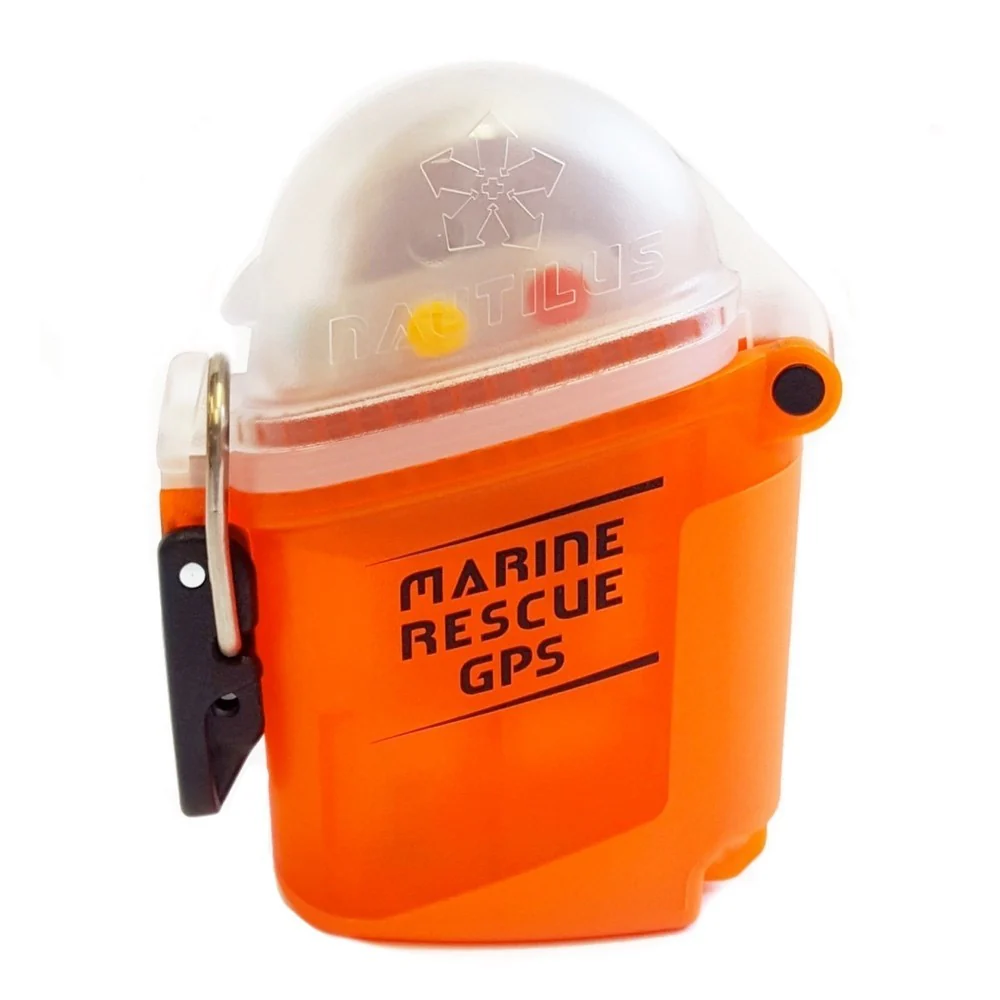
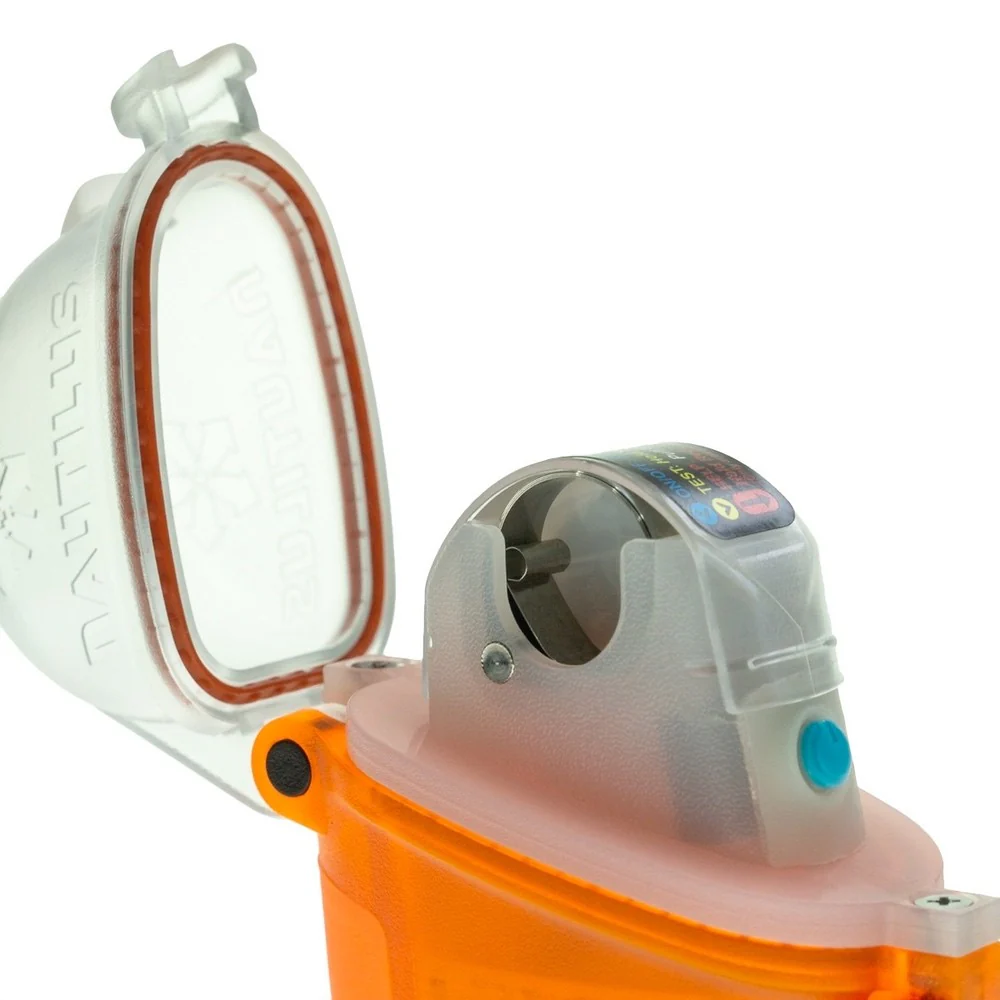
The Nautilus Lifeline Marine Rescue GPS is incredibly simple to use, like flipping a switch. Undo the latch, open it, turn it on, remove the antenna retainer, and press the button you need. That’s it!...
Your GPS position will be accurate to 1.5 metres, and a man overboard distress message will be broadcast to all VHF/DSC* radios, AIS-receivers and chart plotters up to 34 miles away. No MMSI, Licenses or registration required.
The unit is splash-proof with the dive cap open and depth rated to 130m (425 feet) with the dive cap closed. It weighs only 131 gram and is positively buoyant so it can float.
Batteries are not included in the box. but CR123's are widely available and cheap, good for around 5 years.
*DSC functionality varies based on selected region. The unit is pre-set to AIS functionality in compliance with FCC regulations. You can use the Nautilus GPS mobile app to enable DSC.
How to use the Nautilus Marine GPS:
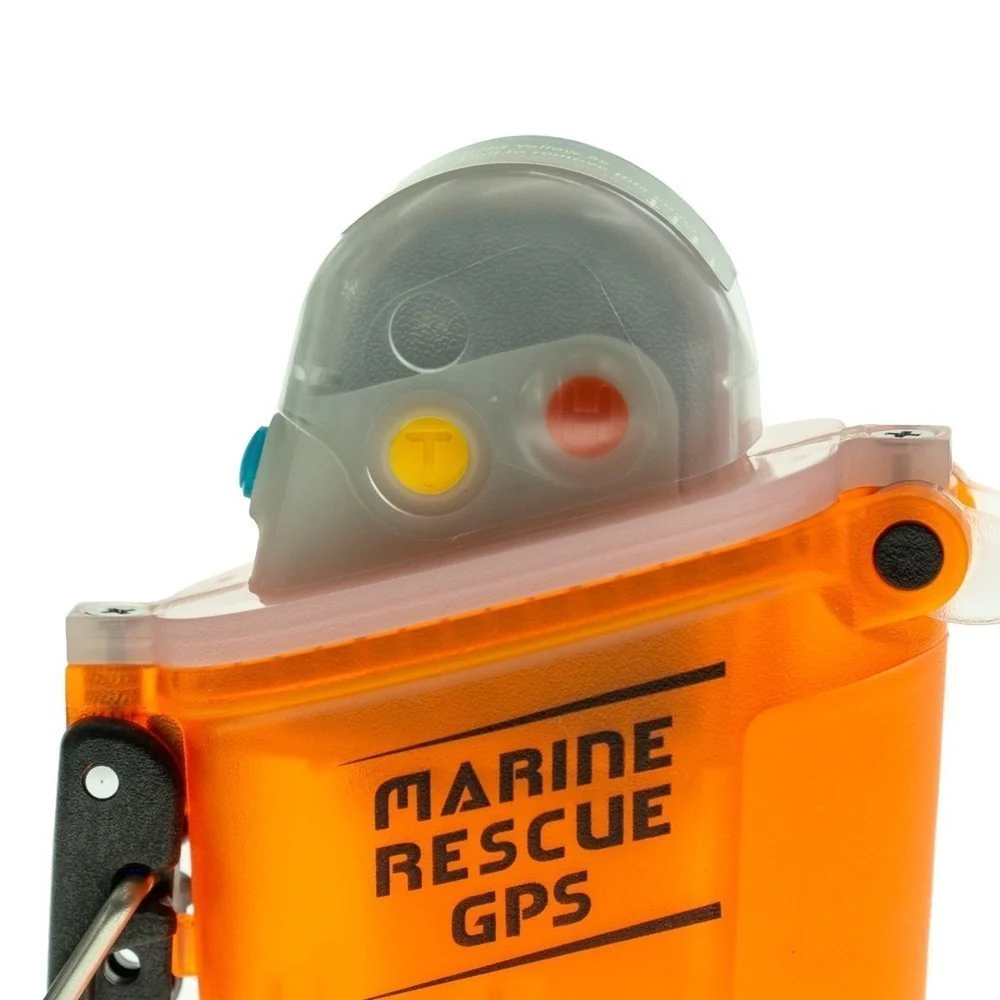
Blue Button: Power on and off (push in until button clicks)
Yellow Button: Position Reporting, Non-emergency
Red Button: Activate Distress, Turns on Strobe
Included in box:
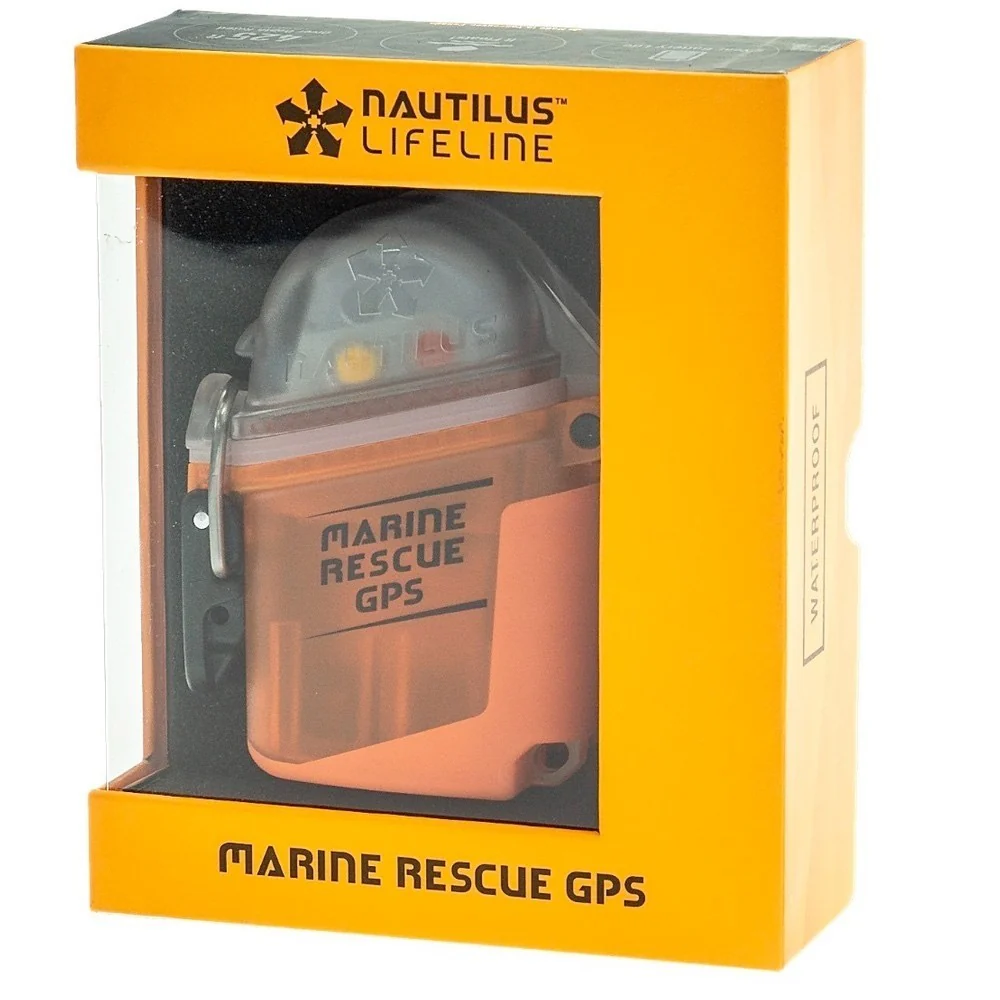
- Nautilus Lifeline Marine Rescue GPS
- Antenna Winder
- Screwdriver

What is the difference between AIS and DSC?
Details & Craftsmanship
Every detail has been carefully considered to bring you the perfect product.
Details & Craftsmanship
Every detail has been carefully considered to bring you the perfect product.
Details & Craftsmanship
Every detail has been carefully considered to bring you the perfect product.
Description
Nautilus Lifeline Marine Rescue GPS
The Nautilus Lifeline Marine Rescue GPS is incredibly simple to use, like flipping a switch. Undo the latch, open it, turn it on, remove the antenna retainer, and press the button you need. That’s it!...
Your GPS position will be accurate to 1.5 metres, and a man overboard distress message will be broadcast to all VHF/DSC* radios, AIS-receivers and chart plotters up to 34 miles away. No MMSI, Licenses or registration required.
The unit is splash-proof with the dive cap open and depth rated to 130m (425 feet) with the dive cap closed. It weighs only 131 gram and is positively buoyant so it can float.
Batteries are not included in the box. but CR123's are widely available and cheap, good for around 5 years.
*DSC functionality varies based on selected region. The unit is pre-set to AIS functionality in compliance with FCC regulations. You can use the Nautilus GPS mobile app to enable DSC.
How to use the Nautilus Marine GPS:
Blue Button: Power on and off (push in until button clicks)
Yellow Button: Position Reporting, Non-emergency
Red Button: Activate Distress, Turns on Strobe
Included in box:
- Nautilus Lifeline Marine Rescue GPS
- Antenna Winder
- Screwdriver